Architecture diagram of a compiler

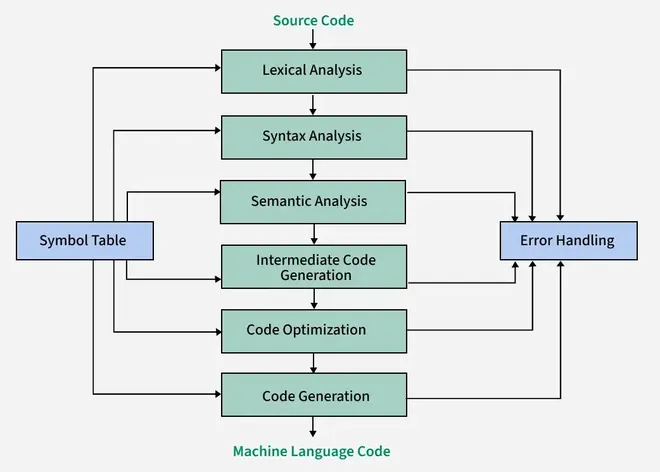

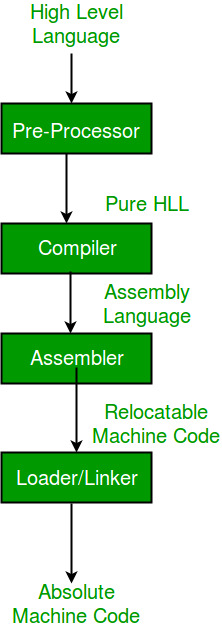
Understanding the architecture of a compiler is essential for grasping how programming languages are translated into machine code that computers can execute. Compiler architecture outlines the components involved in this transformation process and how they interact. This response will explore the various elements of a compiler's architecture, provide visual representations, and explain each aspect in detail.
Overview of Compiler Architecture
A compiler is a specialized program that converts high-level programming languages (such as C, Java, or Python) into machine code that can be understood by a computer's hardware. The architecture of a compiler typically includes multiple phases, each responsible for specific tasks in the compilation process. Here’s a high-level overview of the main components involved:
- Source Code: The program written in a high-level language.
- Analysis Phases: These include lexical analysis, syntax analysis, and semantic analysis.
- Intermediate Code Generation: A midway representation of the source code that is easier to manipulate.
- Optimization: Enhancing the code to run efficiently.
- Code Generation: Converting the intermediate code into machine code.
- Code Optimization: Further refining the machine code before final output.
Components of a Compiler Architecture
1. Lexical Analysis
This is the first phase where the source code is converted into tokens. Each token represents a basic element of the code (such as keywords, operators, and identifiers). This process is typically performed by a lexer or scanner.
2. Syntax Analysis
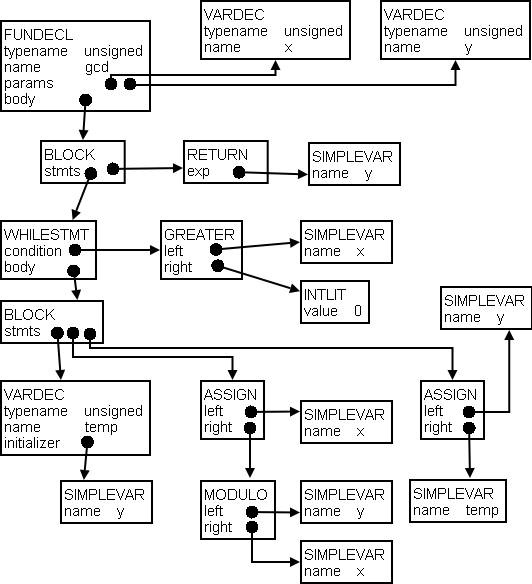
Also known as parsing, this phase checks the token sequence against the grammar rules of the programming language. The output is usually a parse tree or abstract syntax tree, reflecting the grammatical structure of the source code.
3. Semantic Analysis
At this stage, the compiler verifies whether the syntax tree makes sense semantically. This includes type checking and ensuring that operations conform to language rules.
4. Intermediate Code Generation
This phase involves converting the syntax tree into an intermediate representation (IR), which is easier to manipulate and optimize than the original source code.
5. Optimization
Code optimization can occur at various levels—high-level optimization works on IR, while low-level optimization improves machine code. Here, the aim is to make the code run faster or use less memory.
6. Code Generation
In this final phase, the intermediate code is translated into machine code specific to the target architecture. This machine code is what gets executed by the processor.
7. Code Optimization (Final)
Even after code generation, there's an opportunity for optimization before output. This step enhances the performance and efficiency of the final executable program.
Architectural Diagrams
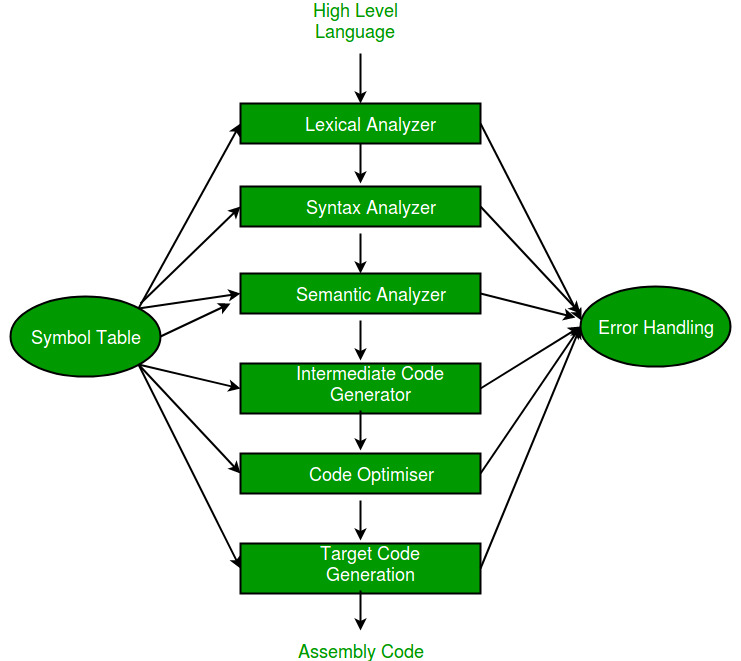
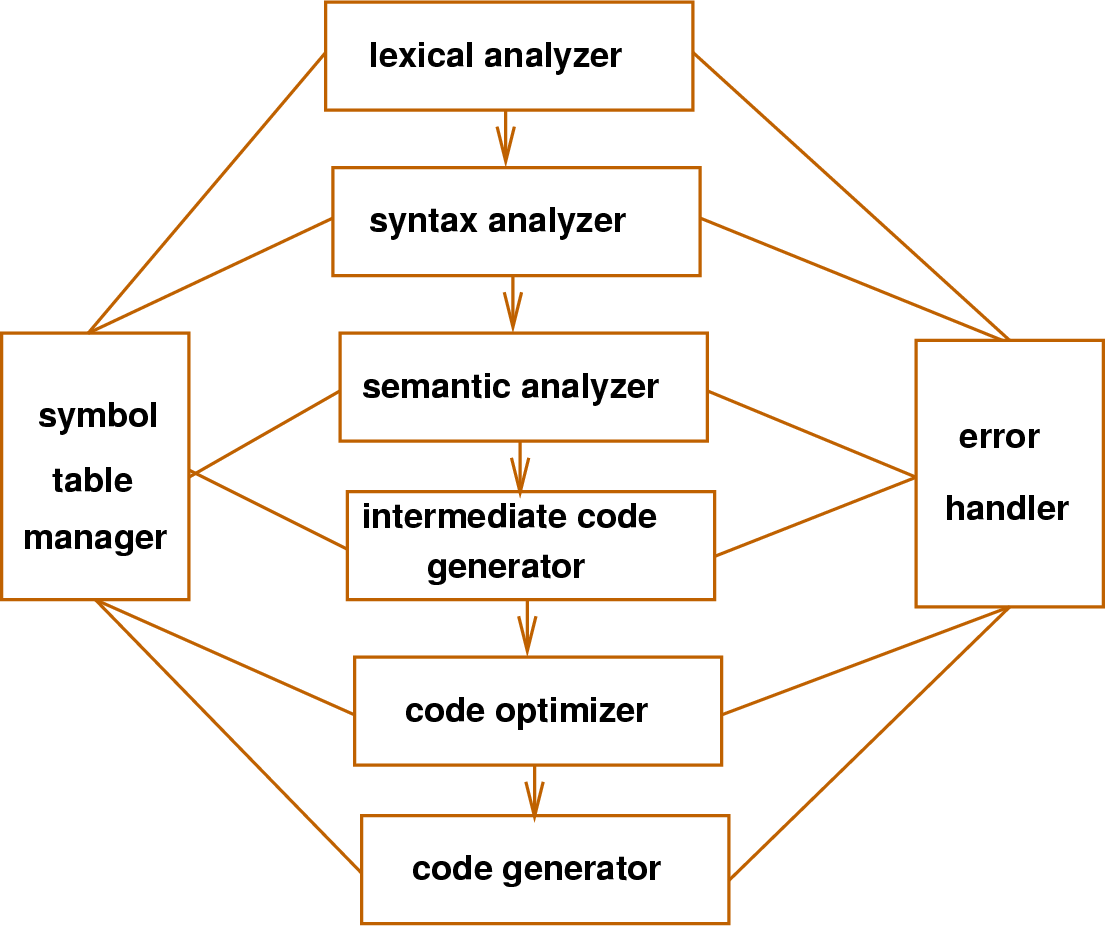
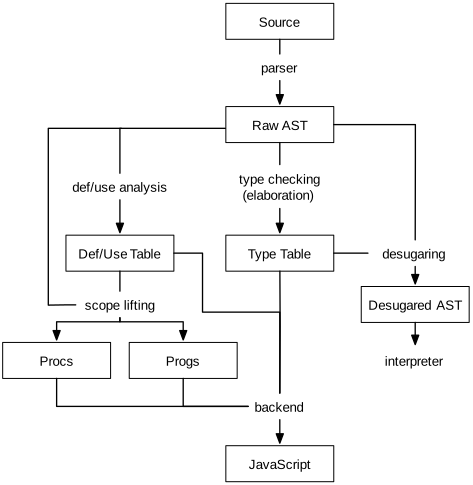
The architecture of compilers can be summarized visually through diagrams that illustrate these components and their interactions. Below are some annotated diagrams that exemplify a compiler's architecture:
Example 1: Compiler Phases Diagram
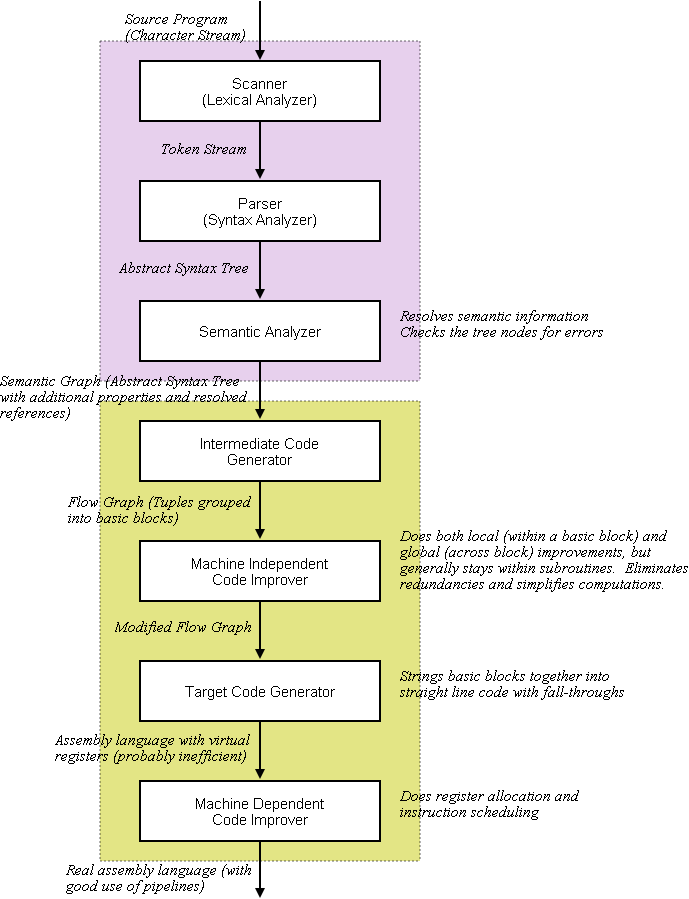
Phases of a compiler, illustrating the flow from source code to output (Source: CS LMU)
Example 2: Block Diagram of a Compiler

Block diagram showing the key phases and their relationships (Source: GeeksforGeeks)
Example 3: Detailed Architecture Diagram

Comprehensive overview of compiler architecture, depicting various layers and components (Source: ResearchGate)
Conclusion
The architecture of a compiler is a complex and essential framework that facilitates the transformation of high-level programming languages into machine-readable formats. Understanding each phase— from lexical analysis to code generation—provides insights into how compilers optimize and generate efficient code, enabling advanced programming and software development.
Exploring these components helps in grasping how programming languages function under the hood and prepares you to engage more effectively with compiler design and implementation. If you're looking to delve deeper into specific phases or optimization techniques, numerous resources are available that provide detailed explanations and practical examples.